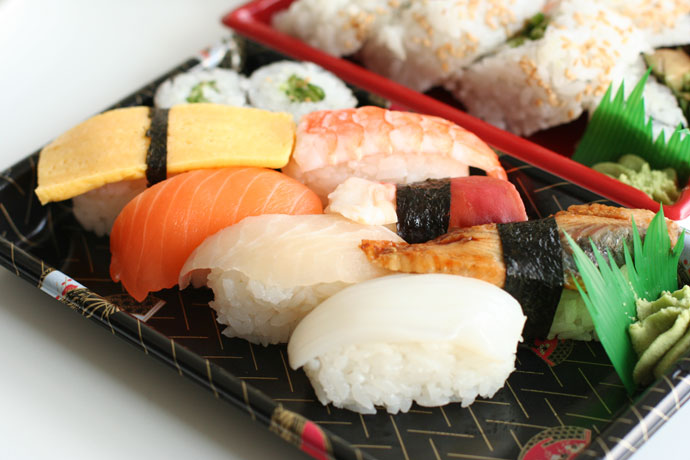
 The conference was marked with expressive line up of seminars, and workshops, which was focused on dashi and umami, Japanese regional flavors, street foods, fast foods, modern improvisations of sashimi and sushi, Japanese knife techniques , and much more. The workshop and seminar titles included:
 The Irresistible Worlds of Japanese Pickles
More than 50 of Japan's most accomplished chefs, and other food professionals took turns to lead the viewers through the above- mentioned topics. These chefs also elaborated on topics like Japanese food ingredients, flavoring techniques, aesthetics of presentation, and modern Japanese cooking styles. Some of the top U.S., Latin American, and European chefs talked about infusing these Japanese cooking techniques and flavors into the new generation of U.S. and international food service menus and concepts.
 CIA Executive Director for Strategic Initiatives Greg Drescher was of the opinion that "Interest in Japanese food and culinary traditions has seen phenomenal growth among American consumers in recent years." He then explained that sushi, which was considered once as an exotic dish has become a sort of mainstream dish, and the popularity of Japanese noodles continues to rise
 The event can be termed “once-in-a-lifetime” affair because it witnessed unmatchable gathering of some of the distinguished cooking luminaries from Japan. This event can be termed as one in series of accolades for Japanese cuisine, which is basking in glory of some international recognition. The Kansai region (Kyoto| Osaka|Kobe) region of Japan recently topped on the list of Michelin three-star restaurants in the world (with 12 restaurants) and Tokyo topped with 11 Michelin three-star restaurants. That means Japanese cuisine is poised to influence the world food culture in a big and unprecedented way.
 What Japanese Cuisine Can Teach The Americans? To know the answer you need to peek into the details of the professional conference conducted by Culinary Institute of America (CIA) on November 6th, 2010. The three day conference was conducted at college’s historic Napa Valley, CA Campus, and was celebrated as the part of CIA's celebrated annual Worlds of Flavor® International Conference & Festival. This year the conference was dedicated to flavors, culinary techniques, and Japanese food techniques. The conference JAPAN: FLAVORS OF CULTURE—From Sushi and Soba to Kaiseki, A Global Celebration of Tradition, Art and Exchange, attracted around 850 guests, who tripped in from different parts of the globe. The conference targeted at popularizing the colors, smell and flavor of Japanese cuisine amongst American chefs, food critics and other food service professionals.
Soba: Mastering the Techniques of One of Asia's Great Noodle Traditions
Building Umami with the Japanese Market Basket
Bincho-tan: Japanese Grilling and the Artisinal Craft of Specialty Charcoal
Mastering Japanese Rice Cooking—and Exploring Innovative Whole Grain Blends
Of Greens, Ginger, Shiso, and More:
 Many of the non-Japanese restaurants around the U.S. were inspired by Japanese flavors and culinary aesthetics, the imprint of which can be clearly seen on their menus and ambience. But at the same time, Americans are less familiar of Japanese foods and are more accustomed to Italian, French, Spanish and other European culinary styles. So, this event was a sort of eye opener for American food professionals who began to sense that they were taking baby steps in understanding the 'gold standards' of Japan and Japanese food culture."


No comments:
Post a Comment